
How to Promote Wound Healing Methods and Enhance the Healing Process for Wounds
- denisefeliz
- Dec 22, 2025
- 5 min read
Updated: Jan 5
When it comes to recovering from wounds, whether minor cuts or more serious injuries, the healing process can sometimes feel slow and frustrating. I’ve learned that understanding how to care for wounds properly can make a big difference. With the right approach, you can support your body’s natural ability to heal and reduce the risk of complications. In this post, I’ll share practical tips and promote wound healing methods that can help you or your loved ones recover more comfortably and effectively.
Understanding the Basics to Promote Wound Healing Methods
Before diving into specific techniques, it’s important to understand what happens when your body heals a wound. The process involves several stages: stopping the bleeding, fighting infection, tissue growth, and finally, tissue remodeling. Each stage needs proper care to progress smoothly.
To promote wound healing methods, start by keeping the wound clean and protected. This prevents bacteria from entering and causing infection. For example, gently washing the wound with mild soap and water is a simple but effective first step. Avoid harsh chemicals or scrubbing, which can damage delicate new tissue.
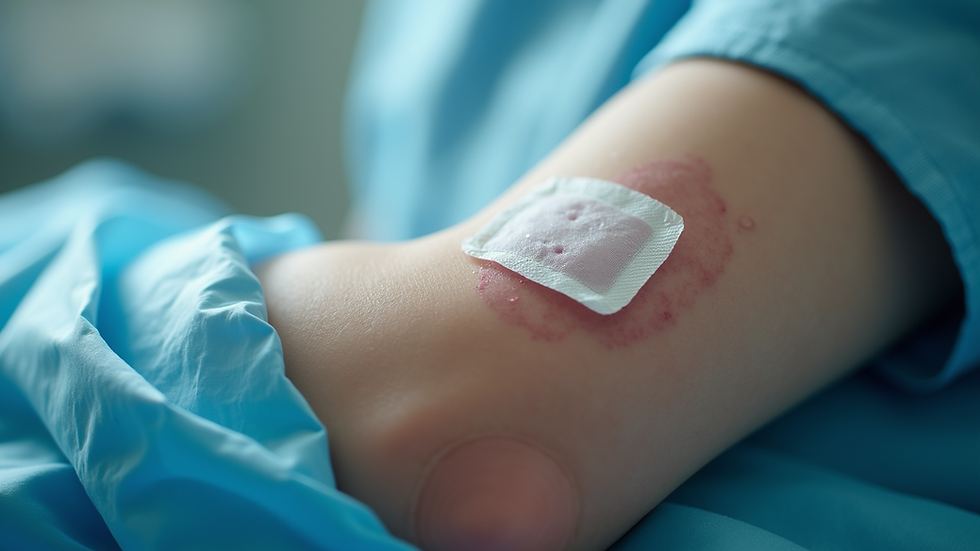
Another key factor is moisture. Contrary to old beliefs, wounds heal faster when kept slightly moist. Using appropriate dressings that maintain this environment can speed up recovery and reduce scarring. Hydrocolloid or silicone dressings are great options for this purpose.
Nutrition and Lifestyle Choices That Support Healing
What you eat and how you live can significantly impact your body’s ability to heal wounds. I always recommend focusing on a balanced diet rich in vitamins and minerals that support tissue repair.
Protein is essential because it helps rebuild damaged tissues. Include lean meats, beans, nuts, and dairy in your meals.
Vitamin C plays a crucial role in collagen formation, which strengthens skin and blood vessels. Citrus fruits, strawberries, and bell peppers are excellent sources.
Zinc supports immune function and cell growth. You can find zinc in meat, shellfish, legumes, and seeds.
Staying hydrated is equally important. Water helps transport nutrients and flush out toxins, so drink plenty throughout the day.
Besides nutrition, avoid smoking and limit alcohol consumption. Both can slow down the healing process by reducing blood flow and impairing immune response.
How to Treat a Wound During Pregnancy?
Pregnancy brings unique challenges when it comes to wound care. The body undergoes many changes, including increased blood volume and altered immune function, which can affect healing. If you’re pregnant and dealing with a wound, here are some gentle yet effective steps to follow:
Consult your healthcare provider before using any medications or topical treatments. Some ingredients may not be safe during pregnancy.
Keep the wound clean with mild soap and water. Avoid strong antiseptics unless advised by your doctor.
Use sterile, breathable dressings to protect the wound while allowing air circulation.
Monitor the wound closely for signs of infection, such as increased redness, swelling, or discharge. Prompt medical attention is crucial.
Maintain a healthy diet rich in folic acid, iron, and protein to support both your healing and your baby’s development.
Remember, your body is already working hard to support new life. Treat wounds with extra care and patience.
The Role of Advanced Wound Care Technologies
In recent years, wound care has seen exciting advancements that can make a real difference, especially for chronic or hard-to-heal wounds. Mobile clinics and telemedicine services now bring specialized care directly to patients, making treatment more accessible.
Some of the technologies and methods that have proven effective include:
Negative pressure wound therapy (NPWT): This technique uses a vacuum dressing to promote blood flow and remove excess fluid.
Bioengineered skin substitutes: These products mimic natural skin and help close wounds faster.
Growth factor treatments: These stimulate cell growth and tissue repair.
Telemedicine consultations: Patients can receive expert advice and monitoring without leaving home, which is especially helpful for elderly or mobility-limited individuals.
If you or someone you care for has a wound that isn’t healing as expected, exploring these options with a healthcare provider can be a game-changer.

Practical Tips for Daily Wound Care at Home
Taking care of wounds at home doesn’t have to be complicated. Here are some straightforward tips that I find helpful to keep in mind:
Wash your hands thoroughly before touching the wound or changing dressings.
Change dressings regularly, following your healthcare provider’s instructions.
Avoid tight clothing or shoes that might irritate the wound area.
Keep the wound elevated if possible to reduce swelling.
Watch for any signs of infection and seek medical help if you notice unusual symptoms.
Stay active within your limits to promote circulation, which supports healing.
By following these simple steps, you can create the best environment for your body to repair itself.
Encouragement for the Healing Journey
Healing takes time, and it’s normal to feel impatient or worried. But every small step you take to care for your wound is a step toward recovery. Remember, your body is resilient and capable of amazing things.
If you ever feel unsure about your wound care routine or notice changes in your wound’s appearance, don’t hesitate to reach out to healthcare professionals. With the right support and knowledge, you can navigate this process with confidence.
By embracing these promote wound healing methods and staying attentive to your body’s needs, you’re giving yourself the best chance to heal well and get back to the activities you love.
If you want to learn more about wound healing, feel free to explore trusted resources or contact specialized providers who can guide you through personalized care plans. Your healing journey matters, and help is always within reach.
Additional Resources for Wound Care
As you embark on your healing journey, consider utilizing various resources that can provide further guidance. Here are some suggestions:
Books on Wound Care: Look for literature that discusses wound healing in detail. Many books offer insights into the latest research and practical advice.
Online Forums and Support Groups: Connecting with others who are experiencing similar challenges can be comforting. Sharing experiences and tips can enhance your understanding of wound care.
Local Workshops: Many healthcare facilities offer workshops on wound care. These can be a great way to learn hands-on techniques and ask questions directly to professionals.
The Importance of Follow-Up Care
Once a wound begins to heal, it’s essential to monitor its progress. Regular follow-up appointments with your healthcare provider can ensure that healing is on track. They can also help identify any potential complications early on.
Schedule Regular Check-Ups: Don’t skip these appointments. They are crucial for your recovery.
Document Changes: Keep a record of any changes in the wound’s appearance or your symptoms. This information can be valuable during your appointments.
Ask Questions: If you have concerns about your healing process, bring them up during your visits. Your healthcare provider is there to help you.
By staying proactive in your follow-up care, you can enhance your healing journey and ensure that you are on the right path to recovery.


Comments