
Effective Strategies for Professional Wound Care Solutions
- denisefeliz
- Apr 13
- 4 min read
When it comes to healing wounds, the right approach can make all the difference. Whether you are managing a chronic wound or caring for an acute injury, understanding effective strategies for professional wound care solutions is essential. I want to share practical tips and insights that can help you or your loved ones recover safely and comfortably. Let’s explore how to promote healing, prevent infection, and support overall skin health with confidence.
Understanding Professional Wound Care Solutions
Professional wound care solutions involve a combination of techniques and products designed to optimize healing. These solutions are tailored to the type, size, and severity of the wound. For example, a small scrape may only need gentle cleaning and a simple dressing, while a diabetic ulcer requires specialized treatment and monitoring.
Some key components of professional wound care solutions include:
Proper cleaning: Using sterile saline or mild solutions to remove debris without damaging tissue.
Moisture balance: Keeping the wound moist but not overly wet to encourage cell growth.
Infection control: Applying antimicrobial dressings or topical agents when necessary.
Pressure relief: Avoiding pressure on wounds, especially in bedridden or elderly patients.
Regular assessment: Monitoring the wound for signs of healing or complications.
By combining these elements, wound care providers can create a healing environment that supports tissue repair and reduces the risk of complications.
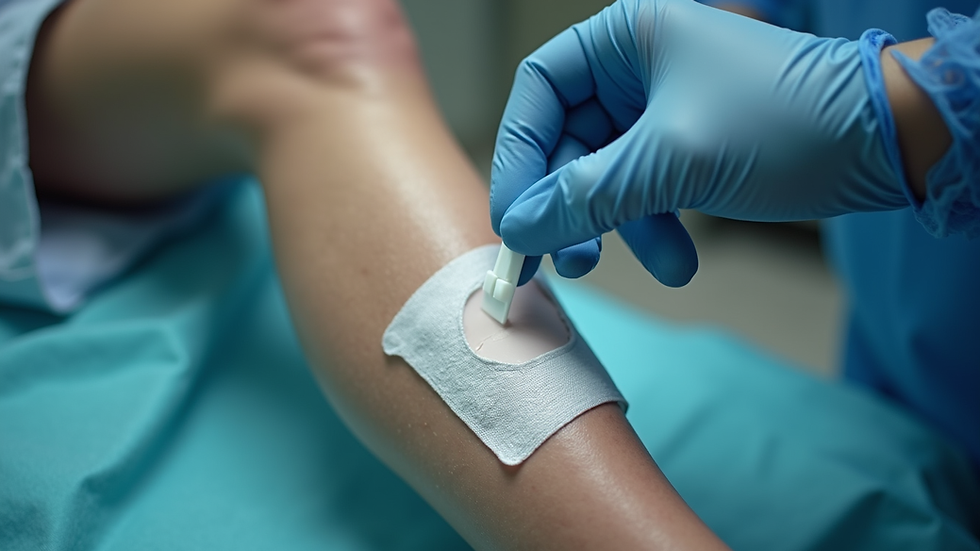
Essential Steps for Effective Wound Management
Managing wounds effectively requires attention to detail and consistency. Here are some actionable steps you can take to support healing:
Clean the wound gently: Use clean water or saline to rinse the wound. Avoid harsh soaps or chemicals that can irritate the skin.
Control bleeding: Apply gentle pressure with a clean cloth or bandage until bleeding stops.
Apply appropriate dressings: Choose dressings that match the wound’s needs—hydrocolloid for moist wounds, foam for cushioning, or alginate for heavy drainage.
Change dressings regularly: Follow healthcare provider instructions on how often to change dressings to prevent infection.
Keep the wound protected: Use bandages or coverings to shield the wound from dirt and bacteria.
Watch for signs of infection: Redness, swelling, increased pain, or foul odor may indicate infection and require medical attention.
Maintain good nutrition: Protein, vitamins C and A, and zinc support skin repair and immune function.
Avoid smoking and alcohol: These can slow down the healing process.
By following these steps, you create a supportive environment for your body’s natural healing mechanisms.
Do wounds heal faster, covered or uncovered?
This is a common question, and the answer depends on the wound type and condition. Generally, wounds heal faster when they are covered with the right dressing. Covering a wound helps:
Maintain a moist environment, which promotes cell growth and reduces scab formation.
Protect the wound from bacteria and external contaminants.
Reduce pain by shielding nerve endings.
Prevent the wound from drying out and cracking.
Uncovered wounds tend to dry out, which can slow healing and increase the risk of scarring. However, some minor wounds may benefit from brief exposure to air during dressing changes to allow gentle drying.
For chronic wounds or those with heavy drainage, keeping the wound covered with specialized dressings is usually best. Always follow your healthcare provider’s advice on wound coverage to ensure optimal healing.

The Role of Advanced Technologies in Wound Healing
In recent years, advances in wound care technology have transformed treatment options. Some of these innovations include:
Negative pressure wound therapy (NPWT): This technique uses suction to remove excess fluid and promote blood flow.
Bioengineered skin substitutes: These products mimic natural skin and encourage tissue regeneration.
Antimicrobial dressings: Infused with silver or iodine, these dressings help reduce bacterial growth.
Telemedicine: Remote monitoring allows healthcare providers to assess wounds and adjust treatment plans without frequent clinic visits.
These technologies can be especially helpful for patients with complex wounds or limited mobility. They offer new hope for faster healing and fewer complications.
Supporting Healing at Home: Practical Tips
Healing wounds at home requires careful attention and routine care. Here are some tips to help you manage wounds safely:
Keep your hands clean: Always wash your hands before and after touching the wound or changing dressings.
Follow instructions: Use prescribed ointments and dressings exactly as directed.
Stay hydrated: Drink plenty of water to support skin health.
Avoid tight clothing: Wear loose garments to prevent irritation around the wound.
Elevate the affected area: If possible, elevate limbs to reduce swelling.
Stay active: Gentle movement can improve circulation but avoid putting pressure on the wound.
Seek help early: If you notice signs of infection or delayed healing, contact your healthcare provider promptly.
By incorporating these habits, you can create a healing-friendly environment right at home.
Moving Forward with Confidence in Wound Care
Taking charge of wound healing can feel overwhelming, but with the right knowledge and support, it becomes manageable. Remember, every wound is unique, and professional guidance is key to choosing the best treatment path. Whether you are caring for yourself or a loved one, these strategies can help you navigate the healing process with calm and confidence.
If you want to learn more about specialized wound care options and how mobile clinics or telemedicine can bring expert treatment closer to you, don’t hesitate to reach out. Healing is a journey, and you don’t have to walk it alone.
Stay patient, stay positive, and take each step with care. Your body has remarkable healing power, and with the right support, you can help it thrive.
Thank you for reading. I hope these insights empower you to manage wounds effectively and safely.


Comments